


August 10, 2025
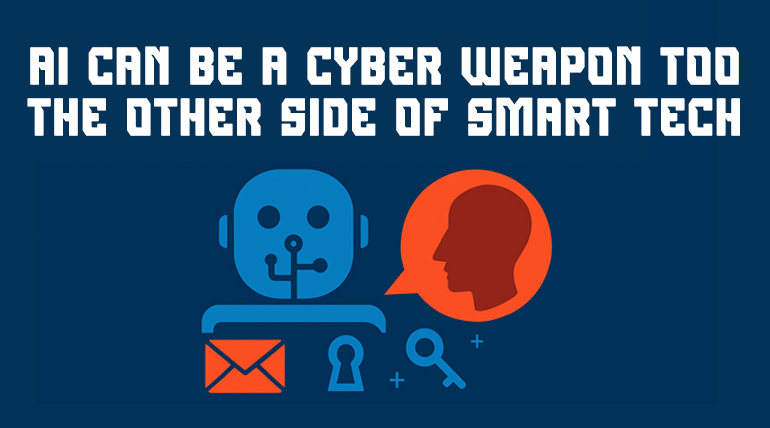
One of the most alarming developments? AI can now generate convincing fake emails, voice recordings, and even deepfake videos to deceive people into clicking malicious links or revealing sensitive information. These AI-driven attacks are quicker, more sophisticated, and tougher to identify.
🤖 AI = Good? Not Always
While marketers and brands love AI for:
- Writing content
- Automating tasks
- Designing creatives
Hackers love it for:
- Crafting perfect phishing emails
- Creating fake voices and faces
- Hacking passwords faster than ever
Yes—AI is now being used to attack you.
🎯 How AI-Powered Attacks Work
- Deepfakes: Hackers create fake videos of CEOs asking employees to transfer money.
- Voice Cloning: A call from your “boss” might actually be an AI robot.
- Smart Phishing: AI writes emails so real, even tech-savvy users click the link.
- These aren’t your old-school scams. They’re machine-generated traps.
⚠️ Real-World Scenarios
- A major brand loses millions after a fake voice call tricks their finance team.
- Influencers’ accounts get hacked via AI-generated login pages.
- A marketing agency’s Gmail was cloned by an AI to spam its clients.
🛡️ How to Stay Safe
- Educate Your Team – AI attacks are hard to spot. Train staff on what to look for.
- Use Verified Tools – Don’t trust free AI tools without proper checks.
- Secure Internal Communication – Use apps with end-to-end encryption.
- Double-Check Unusual Requests – Especially those involving payments or credentials.
